Ceremony Photography Explained

Knowing what to expect, and what to ask, makes all the difference
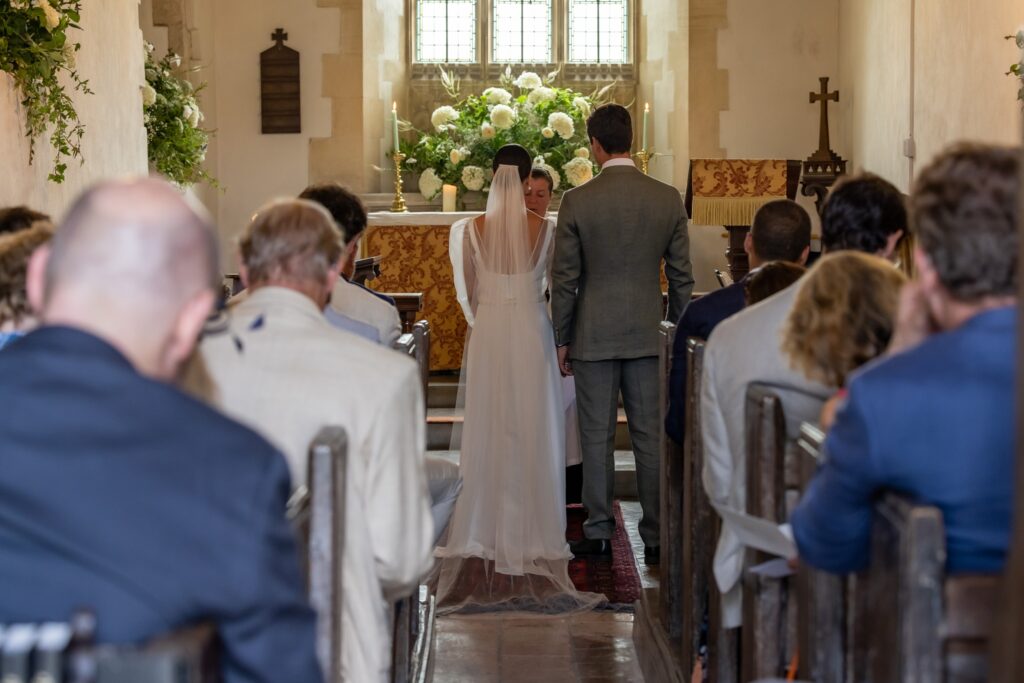
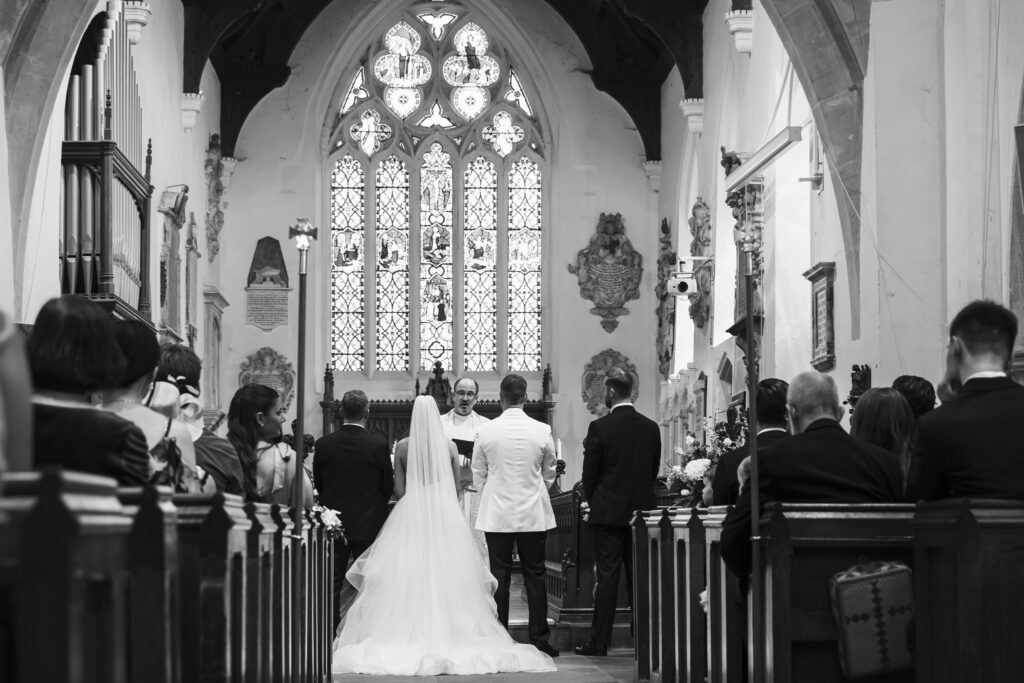
“Can you get a shot of us at the altar from the front?” It’s one of the questions I hear most when couples are planning their ceremony. My honest answer is always the same: it depends on the vicar.
The ceremony is the heart of your wedding day. It’s also the part where the rules are set by someone other than you, me or your venue coordinator. Knowing what to expect, and what to ask, makes all the difference.
Every ceremony is different
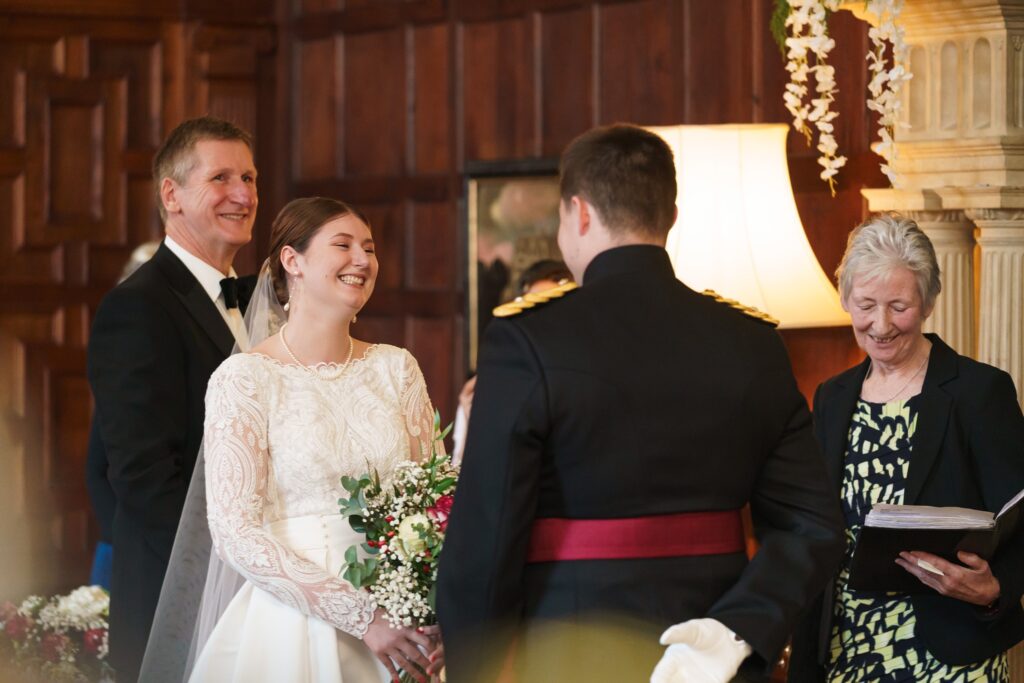
No two ceremonies come with the same set of rules. Two churches in neighbouring villages can have completely different guidance for photographers. One registrar might be happy for me to move quietly down the side aisle, while another prefers I stay at the back from start to finish. Celebrants vary too, usually in the most relaxed way.
None of this is anyone being difficult. A ceremony is a legal or religious occasion first, and the person leading it is responsible for keeping it that way. My job is to work beautifully within whatever they ask.
Church weddings
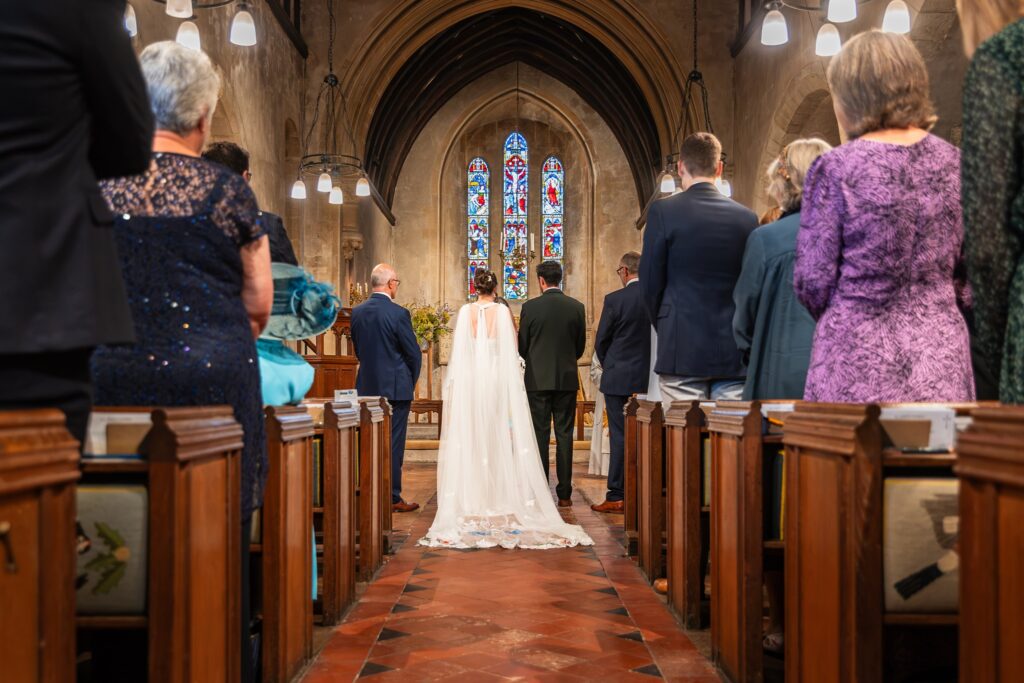
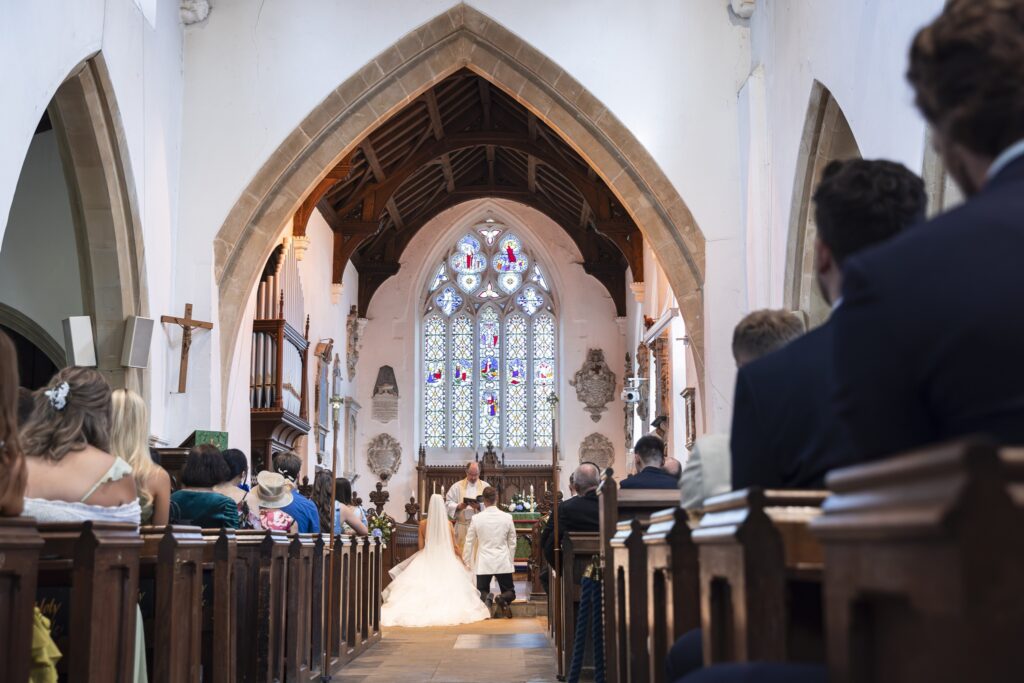
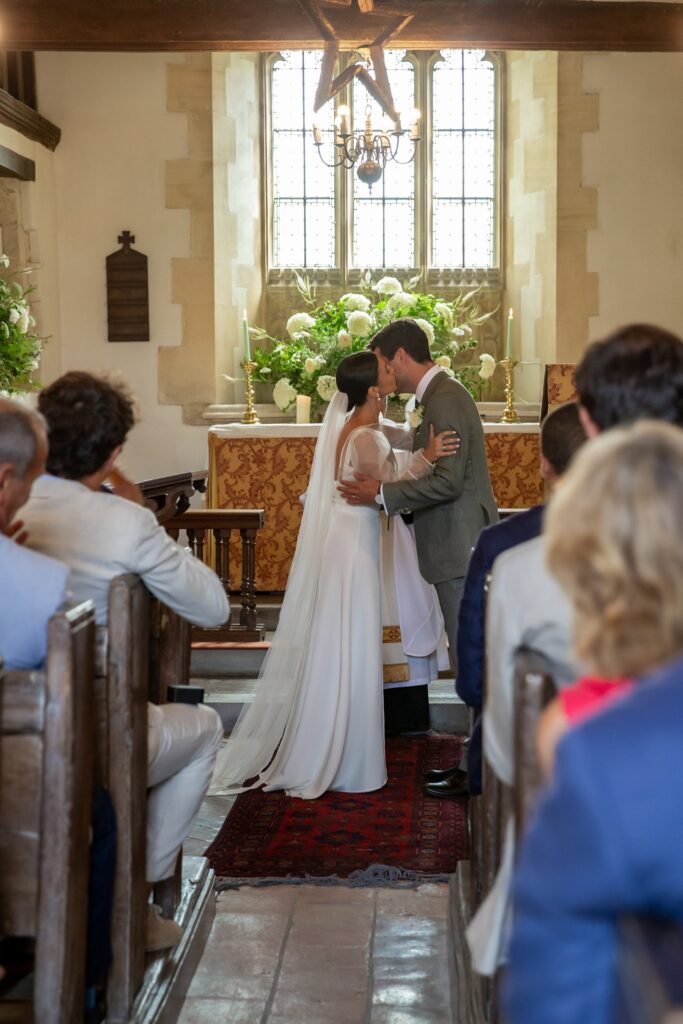
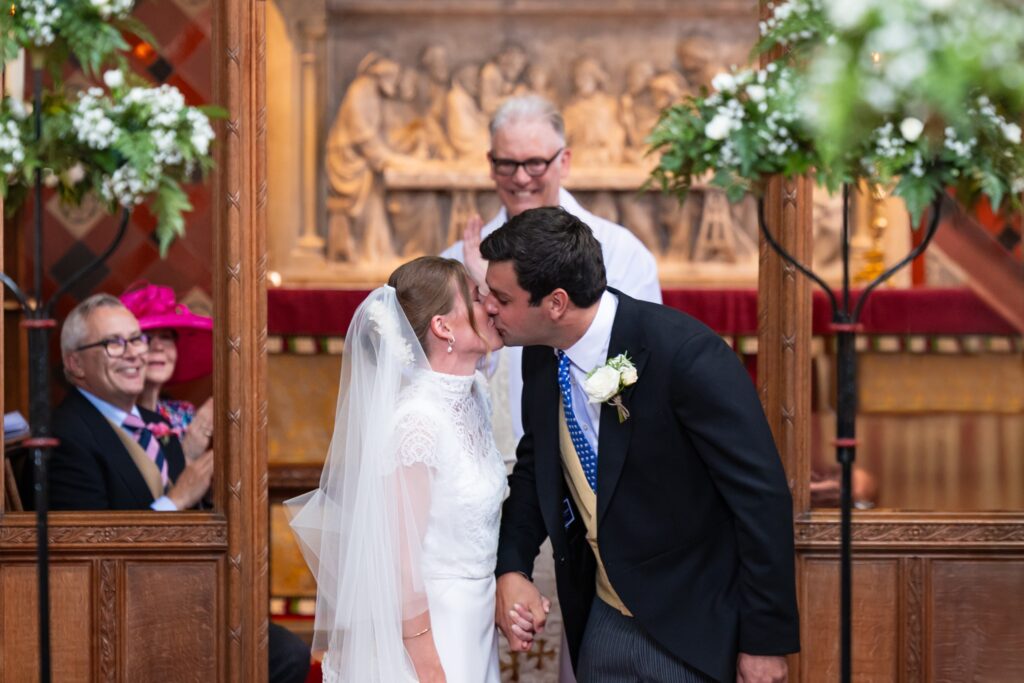
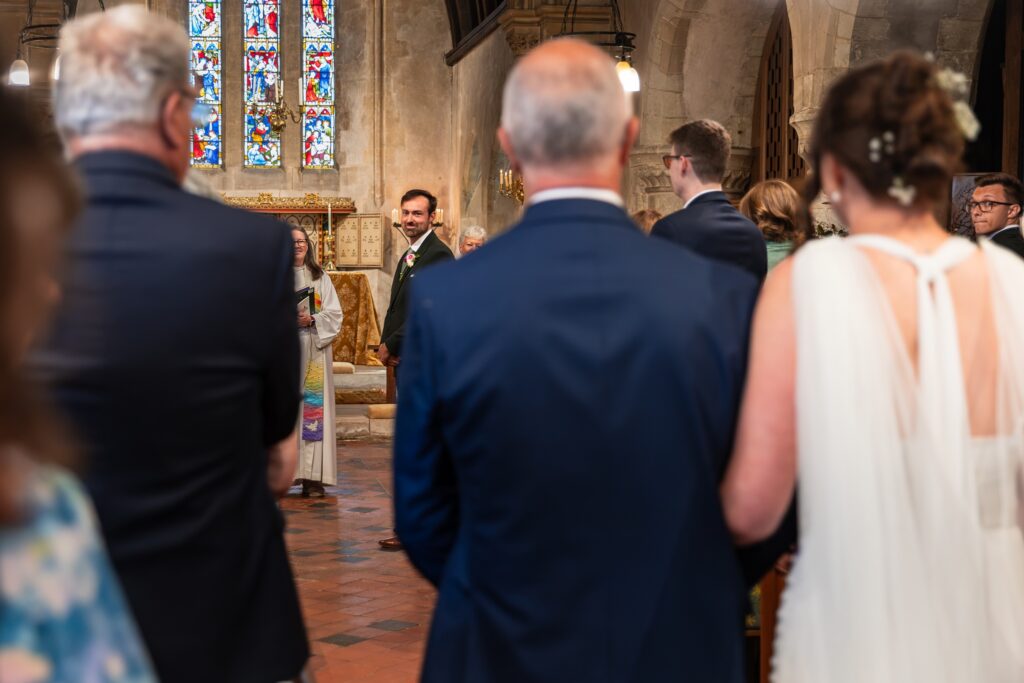
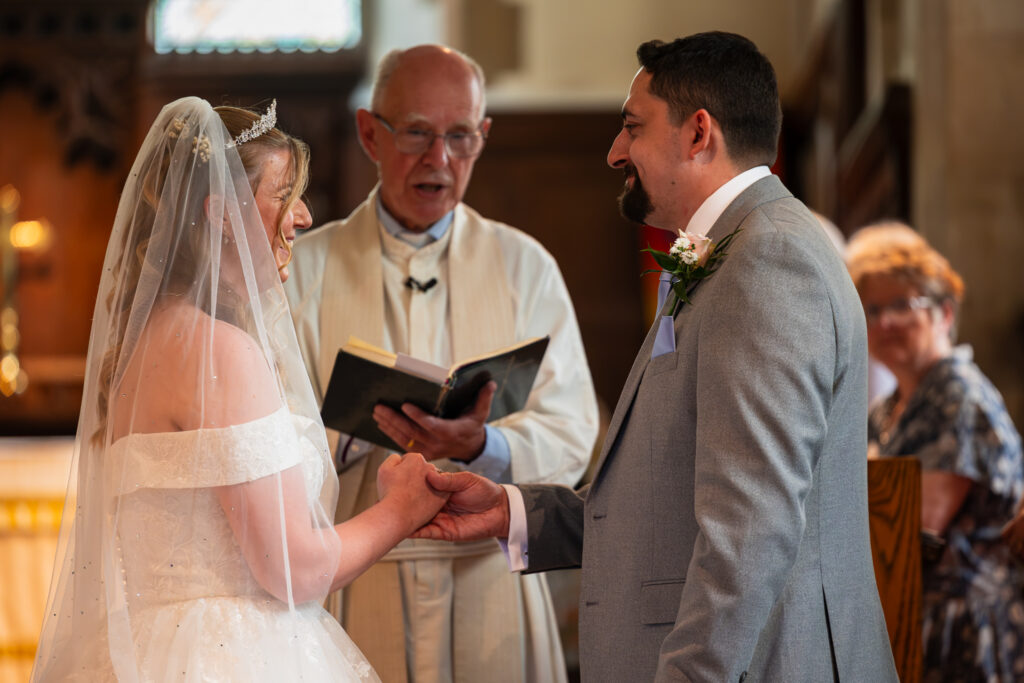
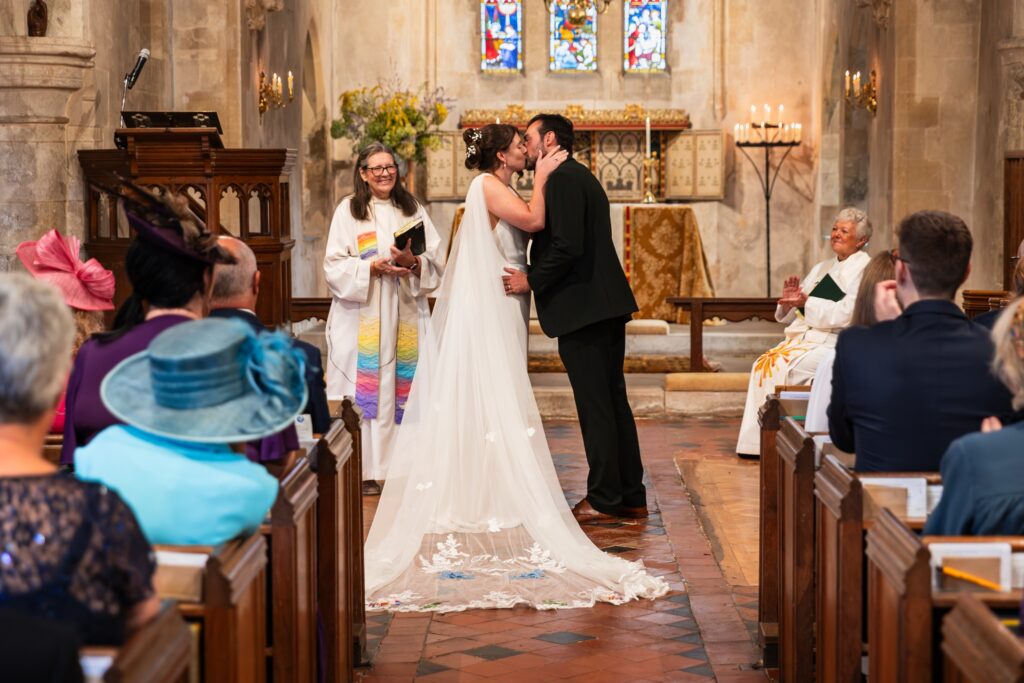
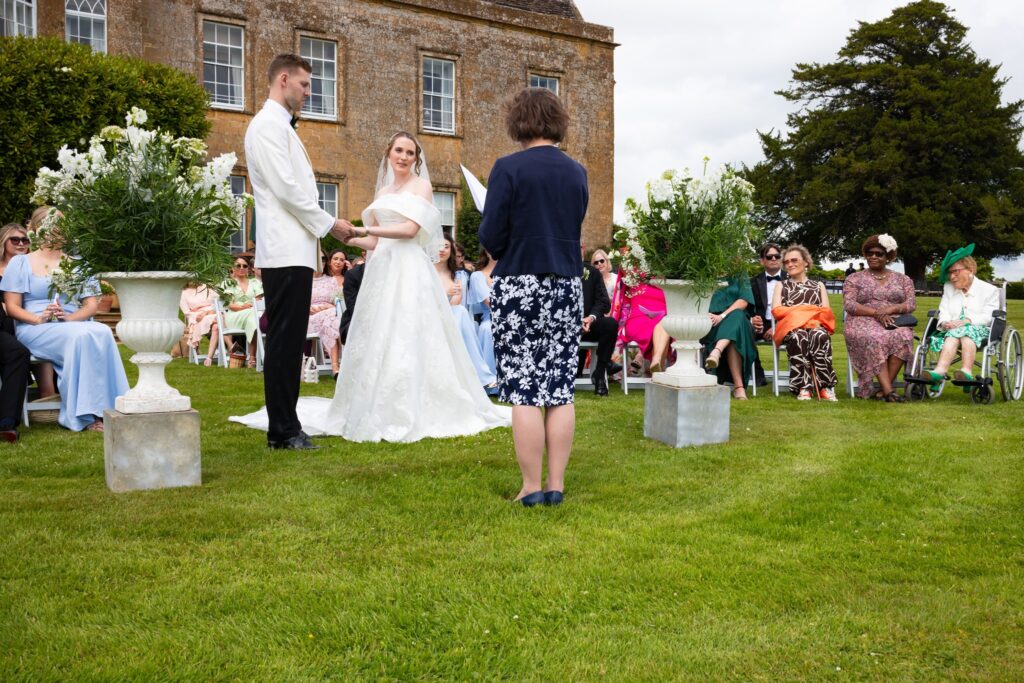
Church weddings are where the rules vary the most. Each vicar sets their own guidance, and many churches have a long-standing policy that’s been in place for years. Here’s the range I come across:
- Movement: Some vicars are happy for me to move quietly around the church. Others ask me to stay in one spot, often at the back or in the gallery.
- Flash: A few may allow it, many don’t. I rarely need it anyway, but it’s good to know.
- Timing: Some restrict photography during certain moments, such as the vows, prayers or communion.
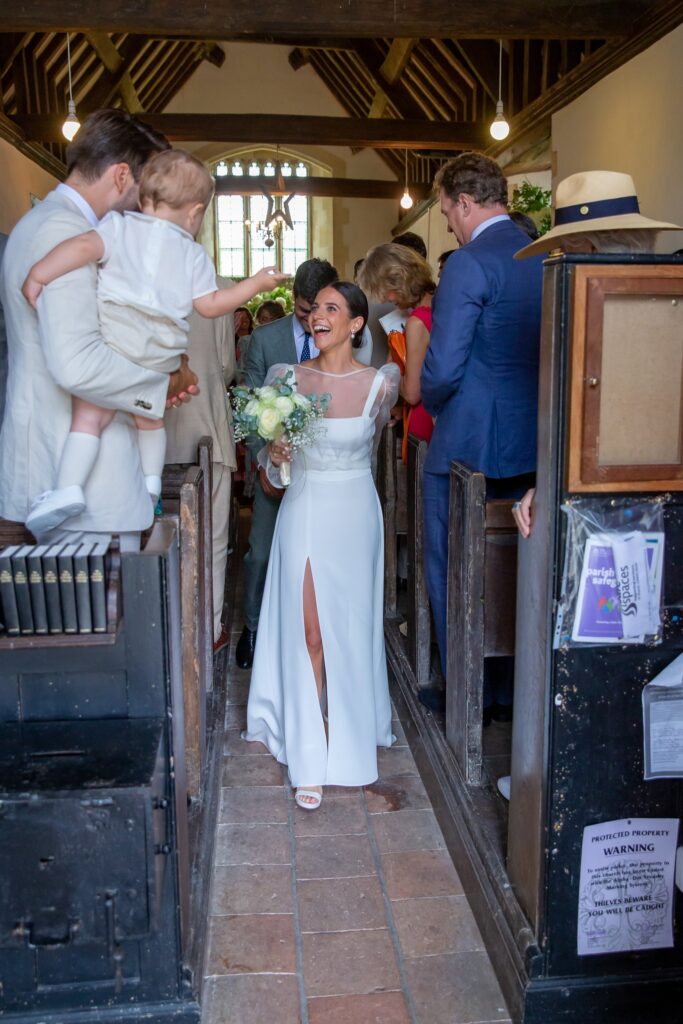
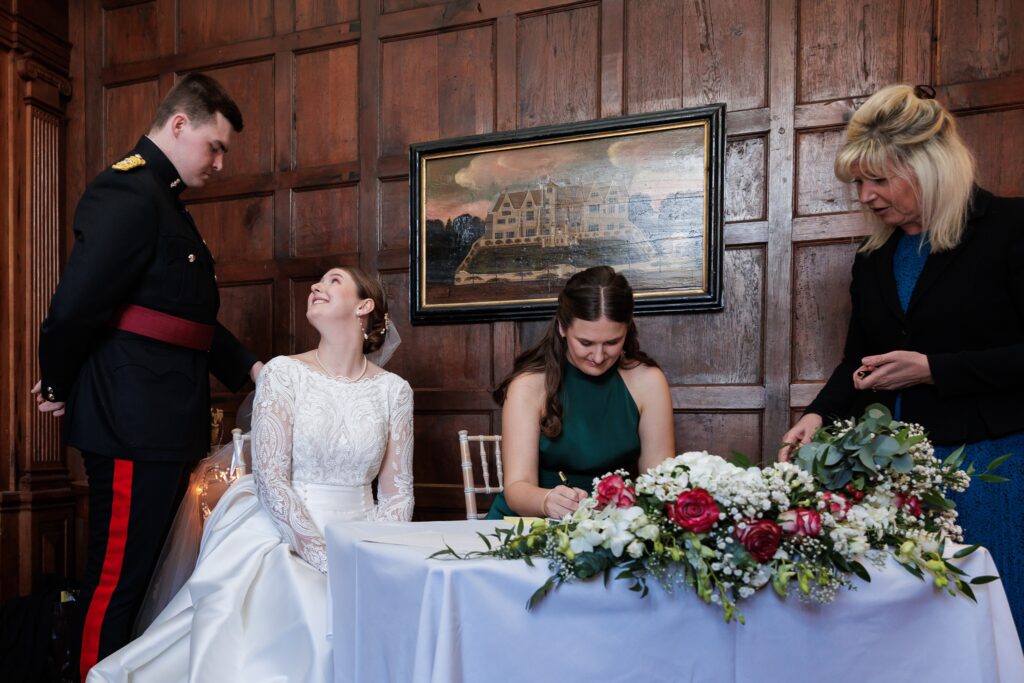
- No photography at all: It’s rare, but occasionally a vicar won’t allow any photos during the service itself. In that case I’ll capture the entrance, the signing of the register (often recreated) and the exit, plus everything before and after.
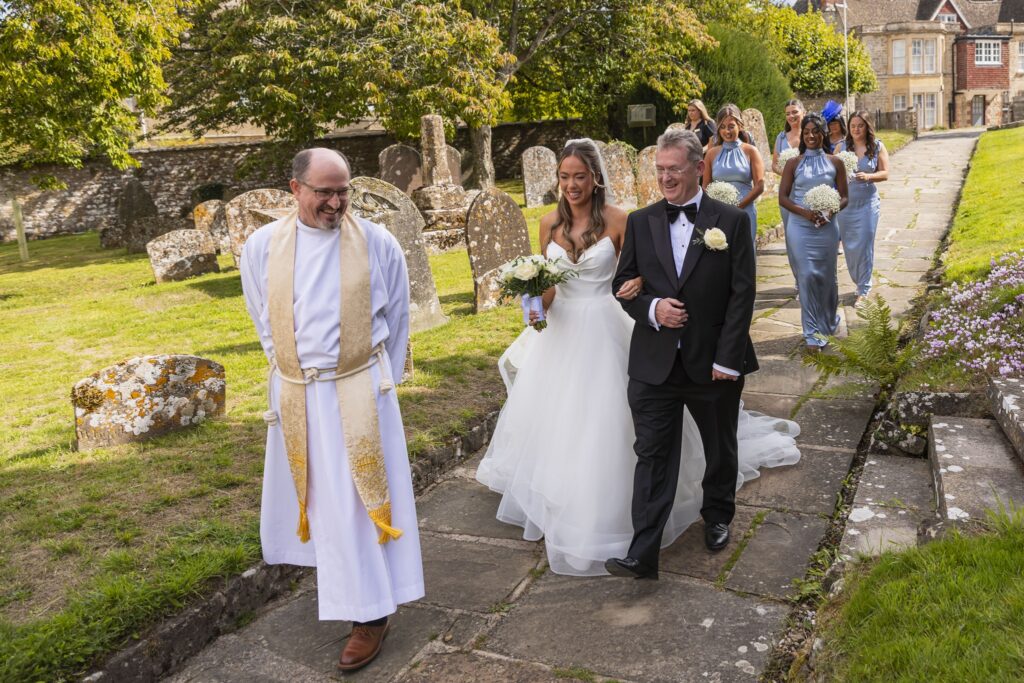
- Confetti: Some churchyards have rules about what can be thrown, or whether confetti is allowed at all.
The key is checking beforehand. Don’t assume the rules will be the same as a friend’s wedding, even if it was in the same diocese. Ask early, ideally when you first meet your vicar, so there are no surprises on the day.
Civil ceremonies
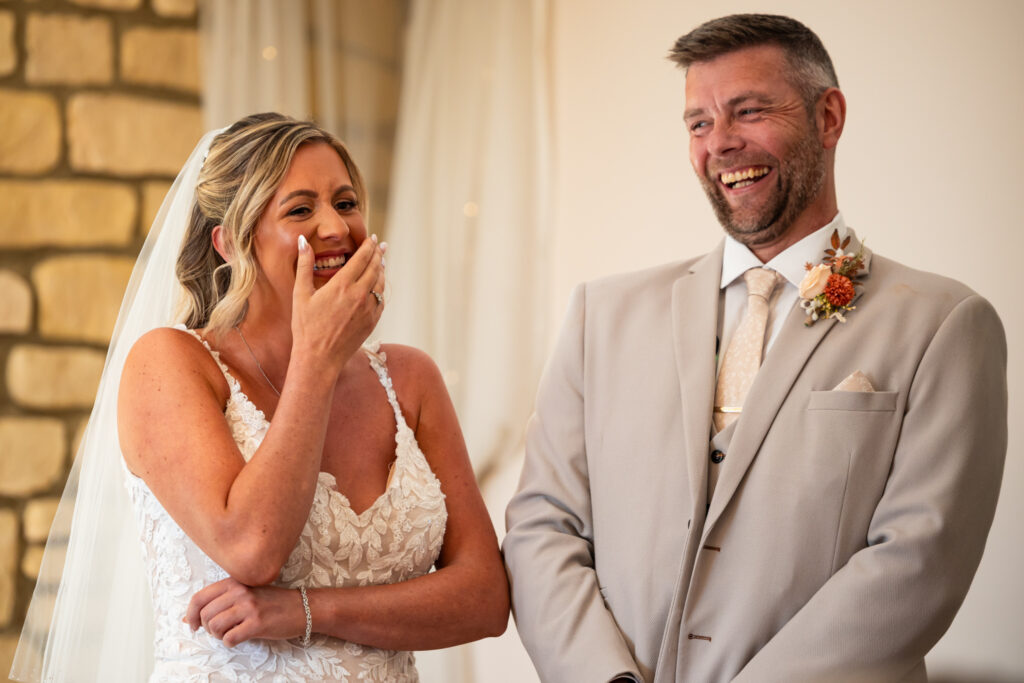
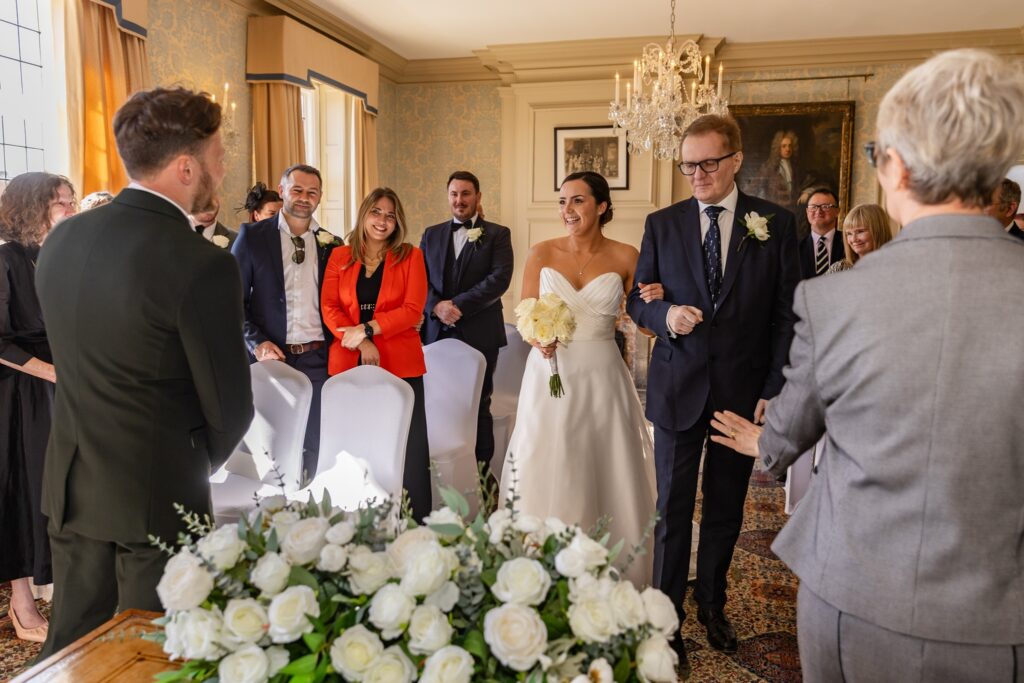
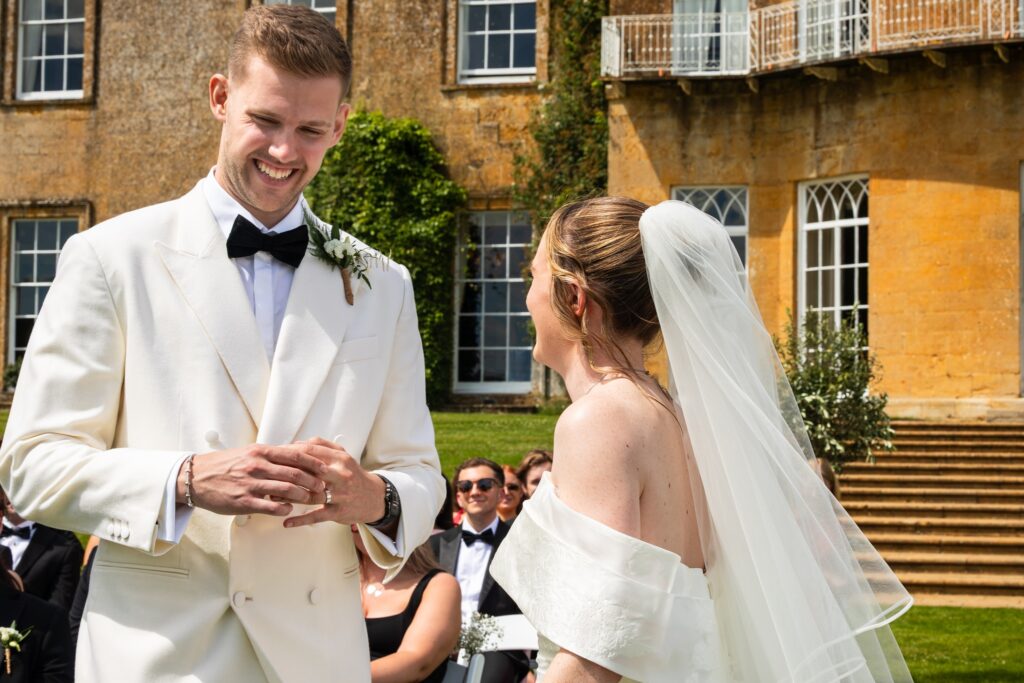
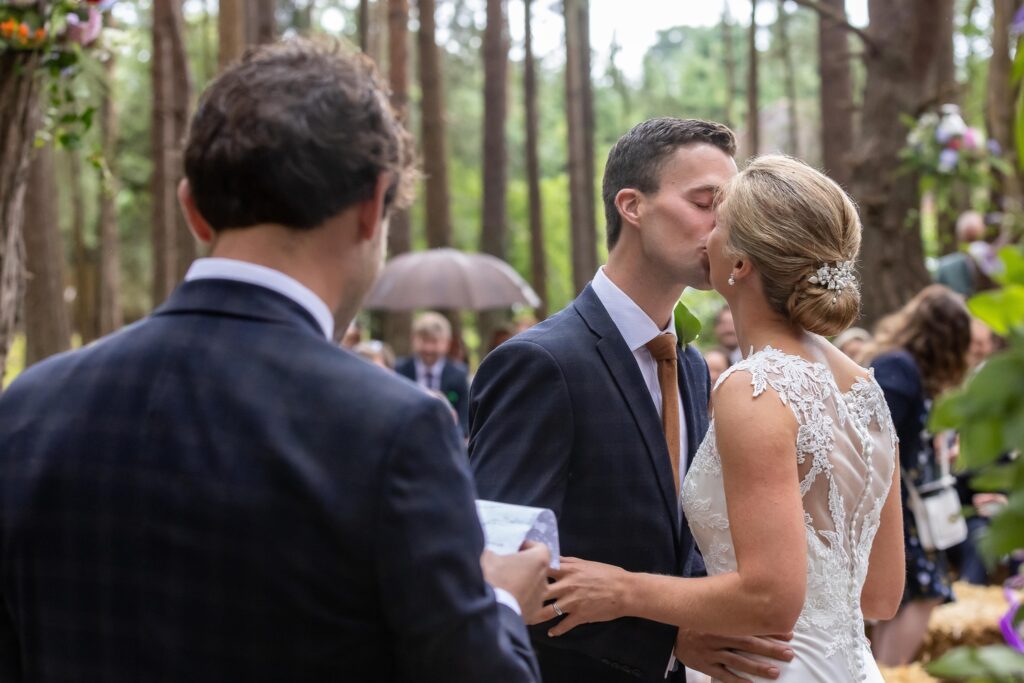
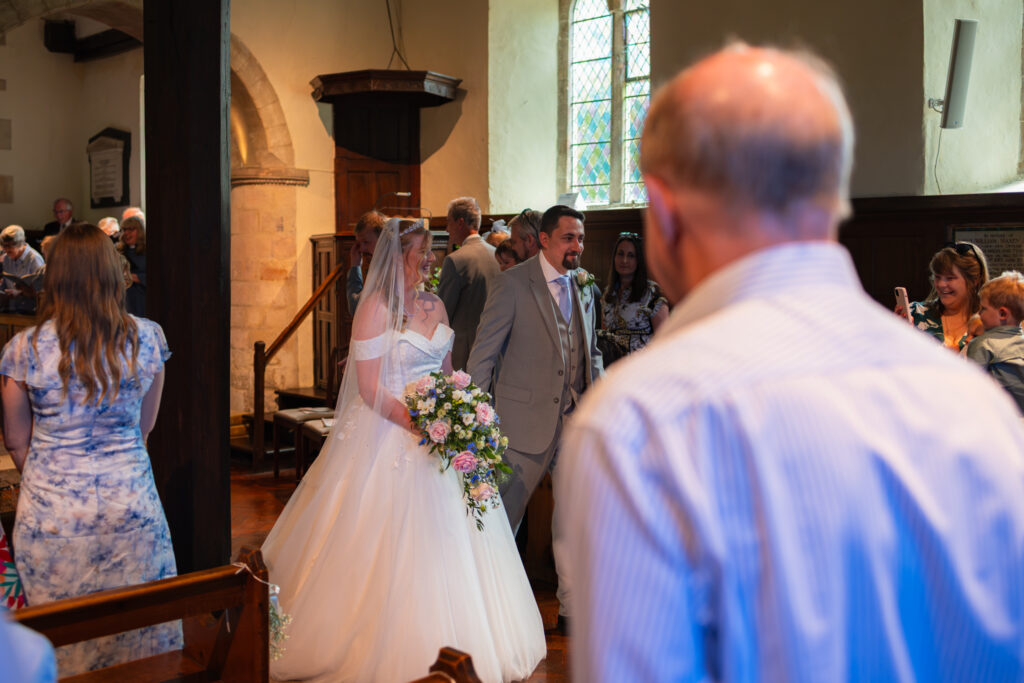
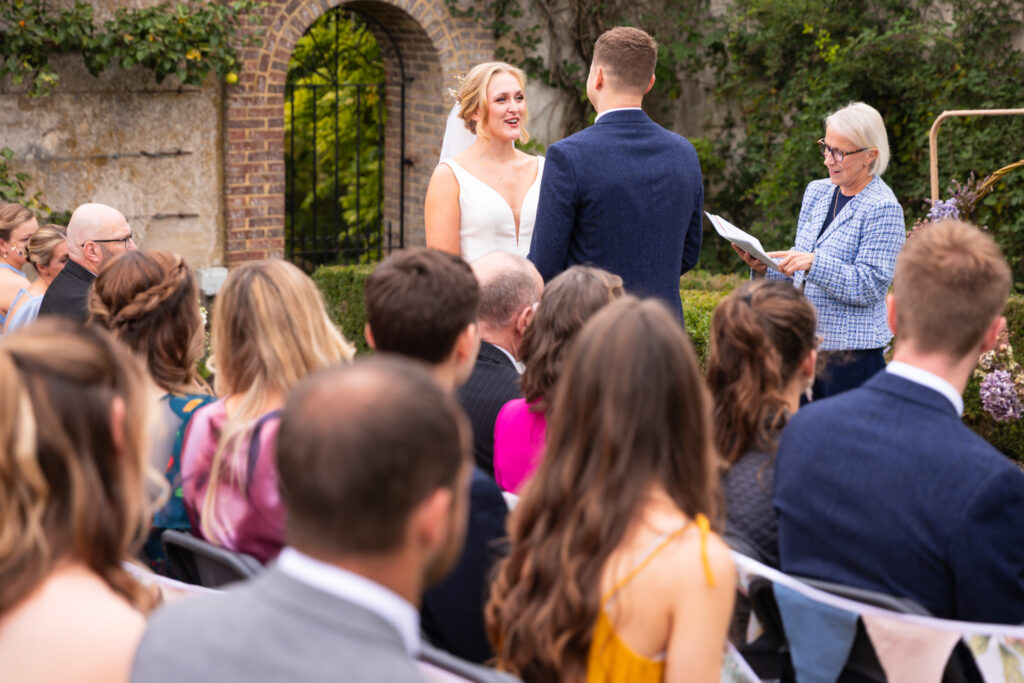
Civil ceremonies led by a registrar are usually more relaxed about photography. Registrars are used to working alongside photographers and are usually happy for me to capture the key moments, from your walk down the aisle to your first kiss.
That said, it’s still worth checking. Some registrars ask photographers to stay still during the legal declarations and vows. Many don’t allow the official register to be photographed, but will set up a separate certificate or a posed signing for photos instead. Registrars are assigned closer to the day, so you may not know who yours is until a few weeks before.
Celebrant weddings
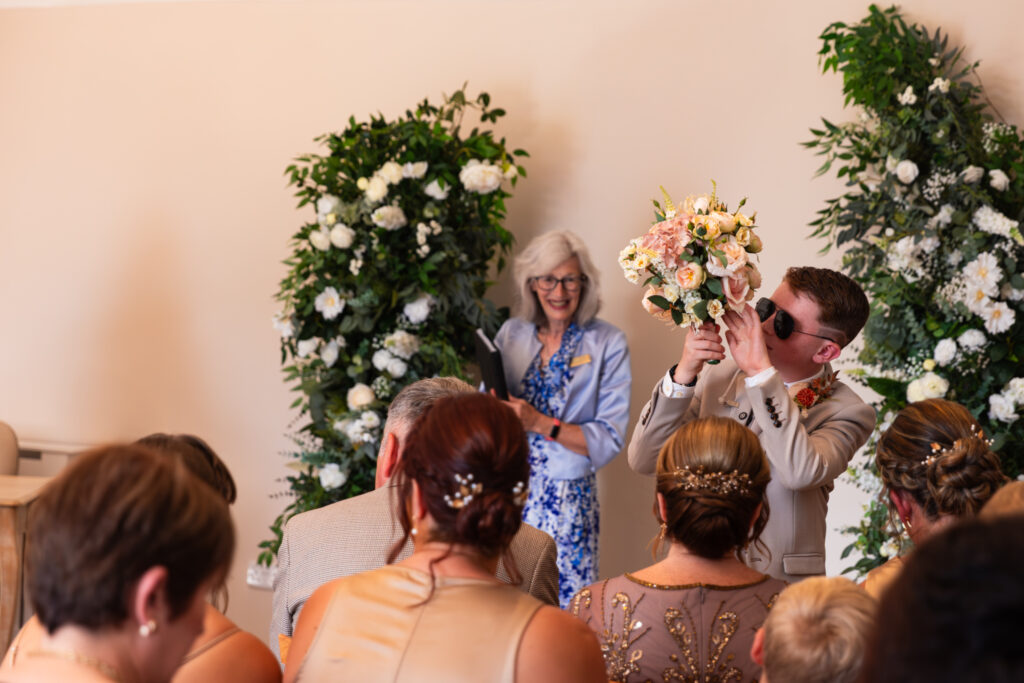
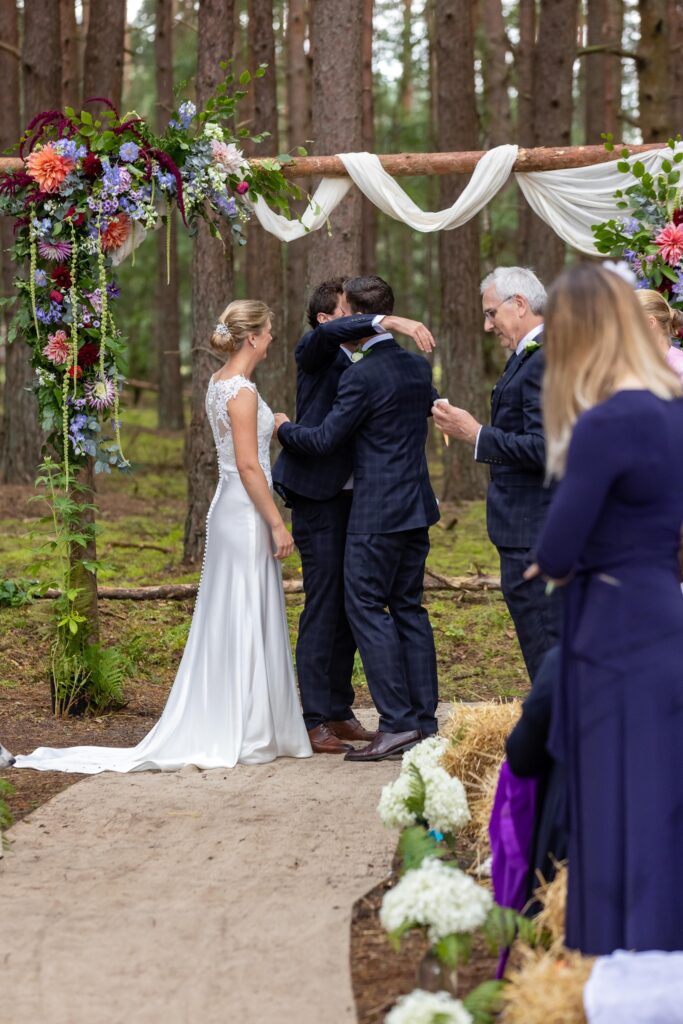
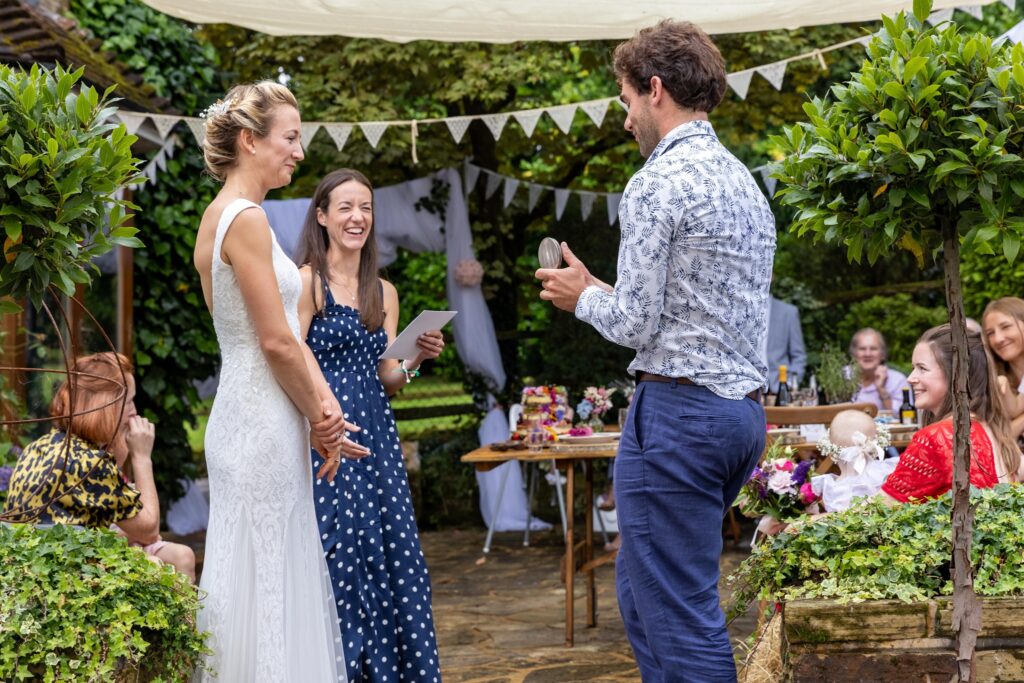
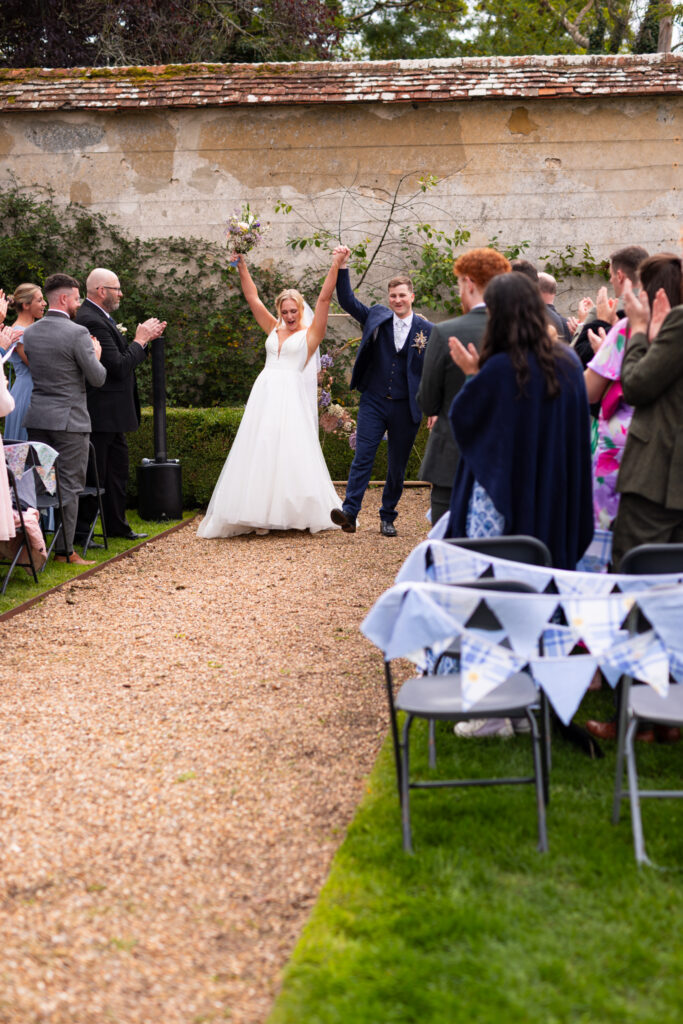
Celebrant-led ceremonies are often the most flexible of all. Because there’s no fixed legal script, your celebrant can shape the whole thing around you, and they’re usually very happy for me to move freely and capture it all.
They can be wonderfully personal too: readings from family, ring warmings, even the dog as ring bearer. It’s worth letting me know about anything like this in advance, so I’m in the right place when it happens.
Why expectations matter
Pinterest is a wonderful source of inspiration, but it doesn’t come with the small print. That image of a couple shot from right behind the vicar, mid-vows, might have been taken in a church with very relaxed rules, or at a celebrant wedding in a field.
If you’ve fallen in love with a particular shot, share it with me and we’ll find out together whether it’s possible at your venue. If it isn’t, I’ll suggest the closest alternative. Knowing this in advance means you’ll be delighted with your gallery rather than wondering why a certain angle is missing.
Questions to ask your vicar, registrar or celebrant
You don’t need to ask all of these, but having a few ready when you meet whoever is leading your ceremony can save a lot of guesswork. Feel free to pass the answers on to me.
- Can the photographer move around during the ceremony, or should they stay in one place?
- Are there any areas that are off limits, such as the chancel, altar steps or pulpit?
- Are there any moments when photography isn’t allowed? For example the vows, prayers, a blessing or communion.
- Can our photographer use flash?
- Can the signing of the register be photographed, or will there be a posed signing afterwards?
- Is there a photography or videography fee charged by the church?
- Can guests take photos, or would you like an unplugged ceremony announcement?
- Is confetti allowed, and does it need to be biodegradable or a particular type?
- Are there any timing restrictions? Some churches have services or other weddings booked either side of yours.
- Would you be happy to chat with the photographer before the ceremony starts? A quick hello on the day goes a long way.
My approach
Respect first, photography second. However relaxed or strict the rules, I’ll never disrupt your ceremony. My cameras have silent shutters where it’s needed, no clattering about in the aisles, and staying out of your guests’ eyeline.
I always introduce myself to the vicar, registrar or celebrant before the ceremony begins, and I check whether anything has changed since you last spoke. Then I quietly get on with it. Your guests should remember your vows, not the photographer.
Anna’s notebook
The best ceremony photos come from knowing the rules, and then working quietly within them.
Planning a church, civil or celebrant ceremony and wondering what’s possible? Get in touch and let’s chat about your wedding day. And for more inspiration, come and say hello on Instagram.
📩 Get in touch to chat about your day
📸 Or take a look at my Instagram for more wedding inspiration